Italian style is elegance without ostentation
It’s a denial of vulgarity and flamboyance. The details that only an attentive eye can grasp prevail over excesses. That’s why it’s a form of active thinking.
One of the first codifications of Italian style dates back to the Renaissance and Baldassare Castiglione’s book“The Courtier”, a real style manual for the courtier, in which the concept of “studied nonchalance”, is affirmed for the first time. This natural elegance is the exact opposite of behaving in an artificial and studied way. It can be defined as the ability to please without giving the impression of wanting to please.
The universal rule of elegance
The universal rule of elegance is therefore to avoid exhibitionism and, to quote a famous passage from the book, “to use in everything a certain studied nonchalance, which hides the art and demonstrates what is done and said to be done without effort and almost without thinking about it…”
In summary, everyone knows how difficult it is to make things which are made well, which is why making it look easy generates wonder.
On the contrary, when something is too flashy and makes too much of itself it ends up disappointing and “is little esteemed despite how great it is”.
The potential, in short, is exhausted and is instead wasted on excessive display.
This rule of elegance can also be found in the field of science. In mathematics, for example, it’s one thing to solve a problem with many tangled steps, and another to find a more direct and faster way to get to the solution. It’s an approach that’s both simpler and more insightful, as well as effective and constructive: elegant, even.
The keyword is simplicity.
In these concepts, we can measure how topical it is to talk about Italian style in today’s world. A world in which entertainment and exhibitionism often seem to triumph, even though they soon reveal bleak emptiness. At the same time sustainable living, respect for people and the environment, and the refusal to waste continue to become more and more pressing.

There are two essential values at the heart of Italian style: respect for time and materials, because Italian style means using one’s available resources wisely to create an object (or achieve a goal) that lasts over time, as opposed to something short-lived.
It’s a way of acting and thinking, an economy of means, from which blossoms, as if by necessity, the essential elegance that distinguishes it.
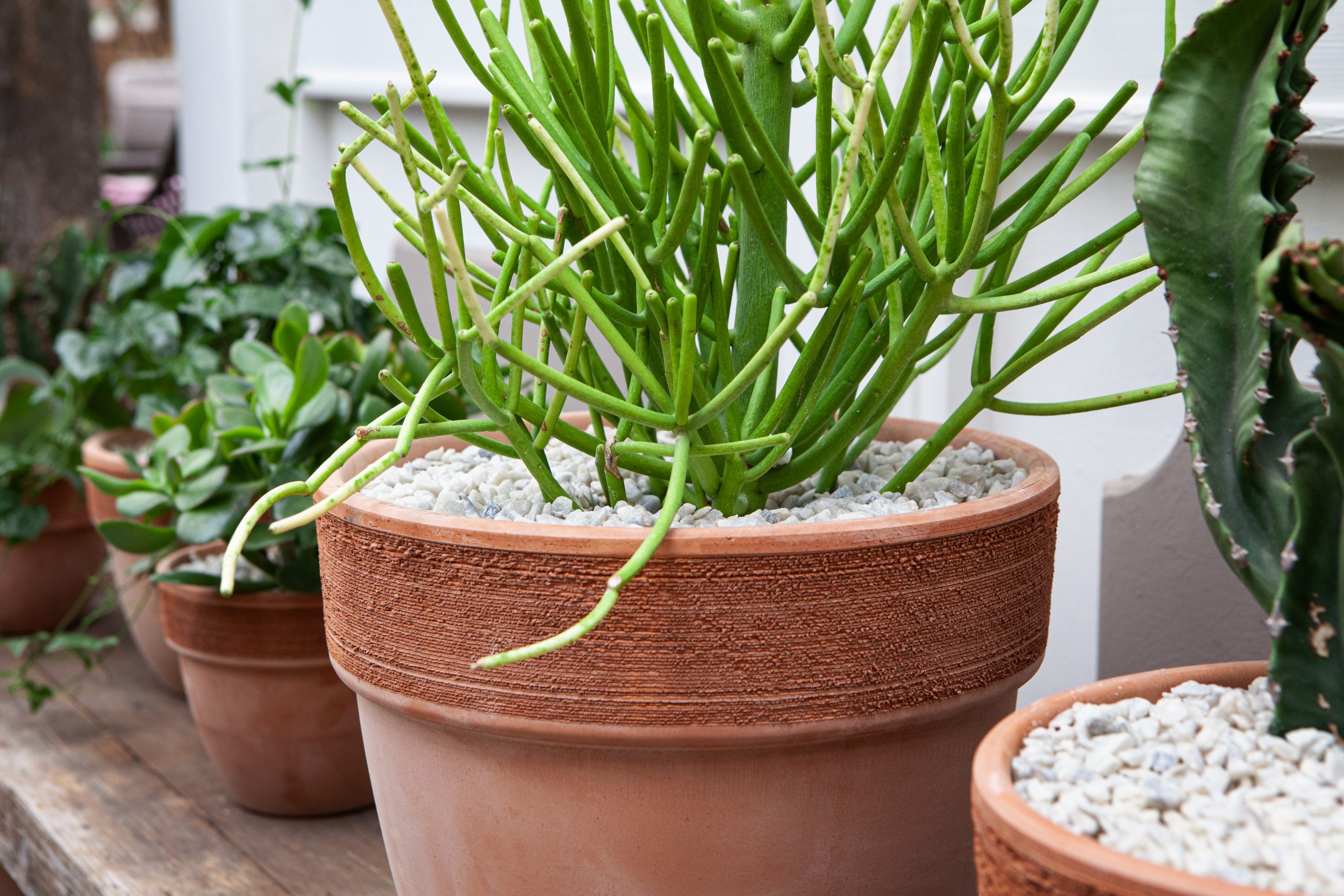
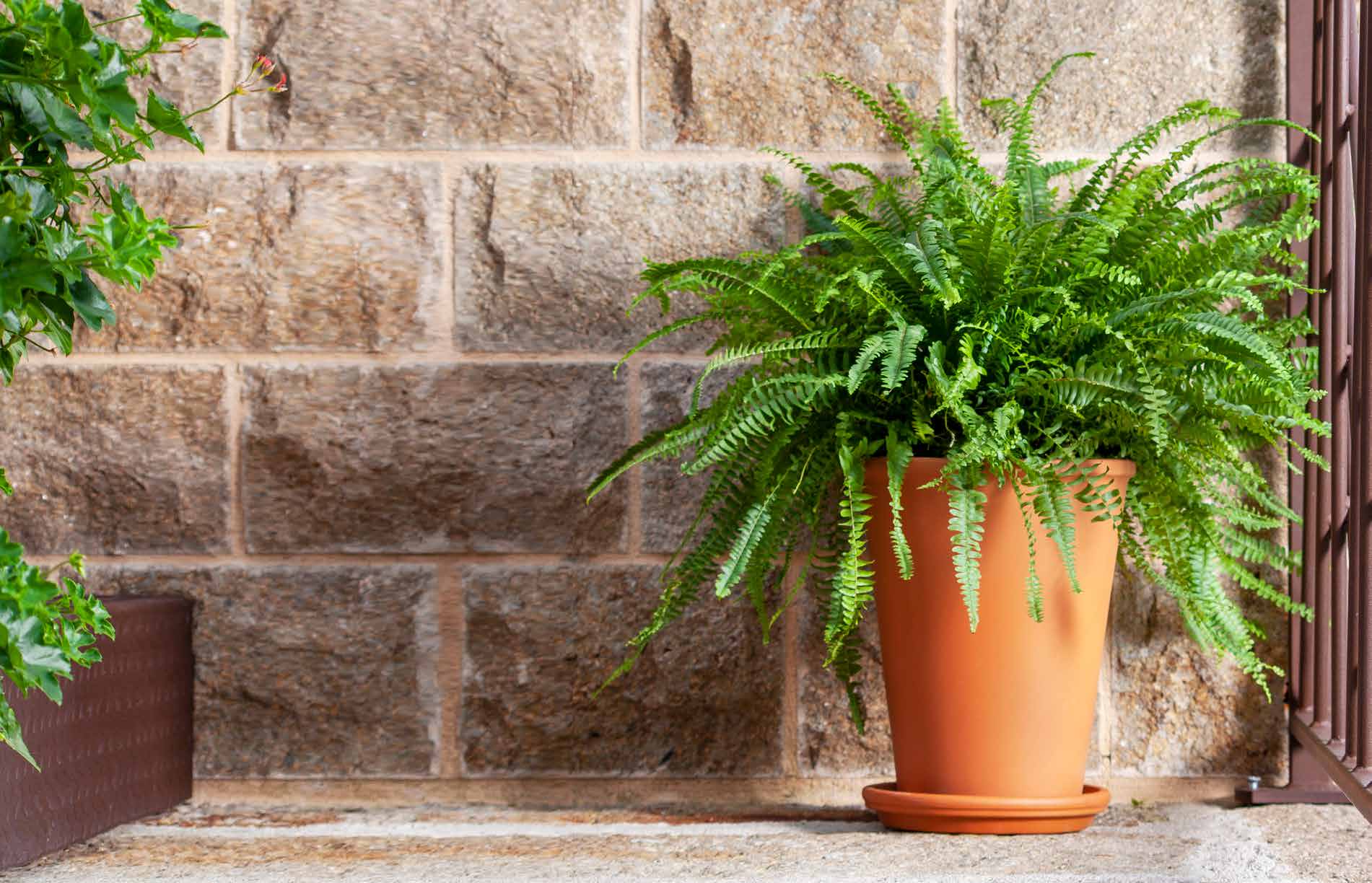
It’s for these reasons that we believe that the terracotta pot, the simple one, not the decorative one but the one used every day, is a great example of Italian design and style.
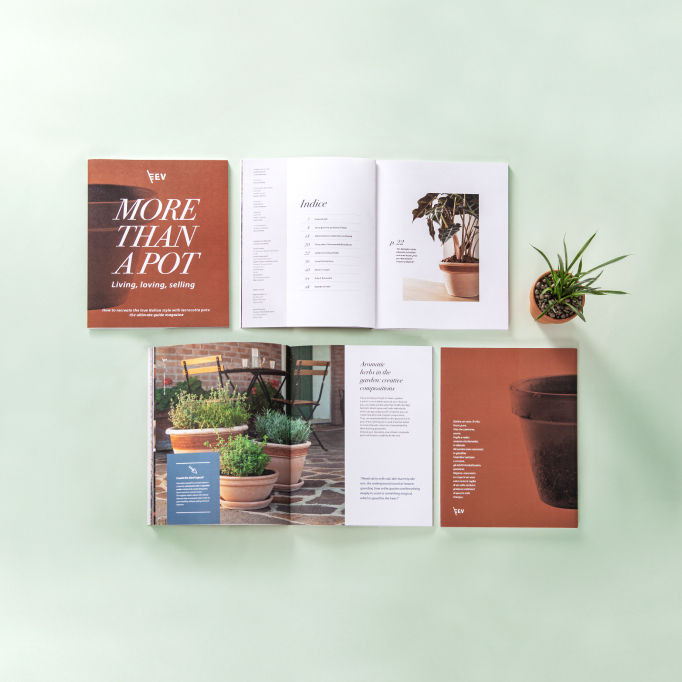
More than a pot
You can learn more about this topic and find many other interesting insights in our “More than a pot” magazine dedicated to terracotta pots.